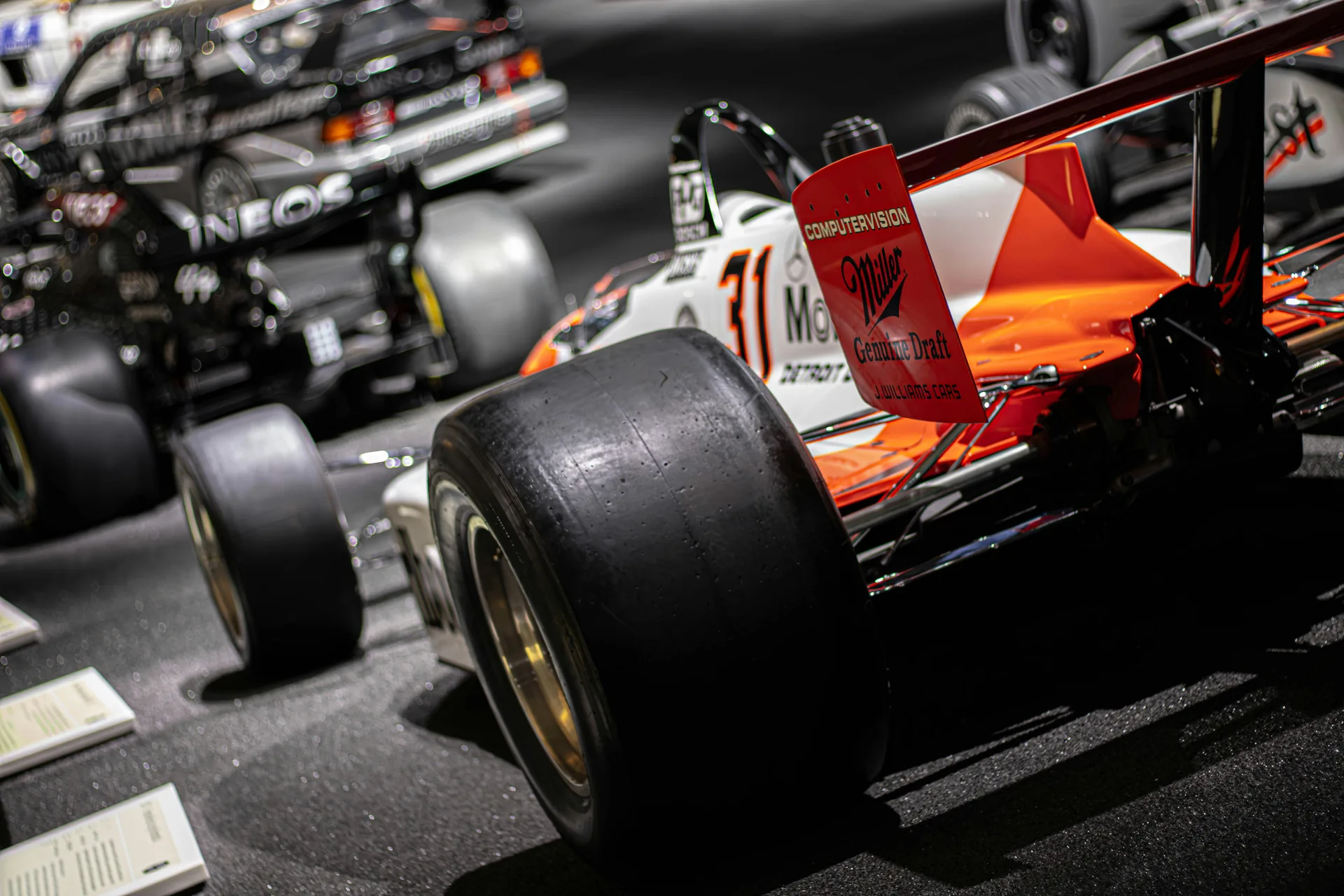
🏁 Race Weekend Format
An F1 weekend unfolds in three key stages.
It begins with Practice Sessions, where drivers test car setups, learn track behavior, and simulate race pace while teams gather performance data. Next comes Qualifying, a high-pressure time trial that determines the starting grid for the race — where every millisecond counts. Finally, the Grand Prix takes place, where teams battle for positions, strategy unfolds, points are earned, and championships are shaped.
One weekend. Three battles — Prepare. Position. Perform.
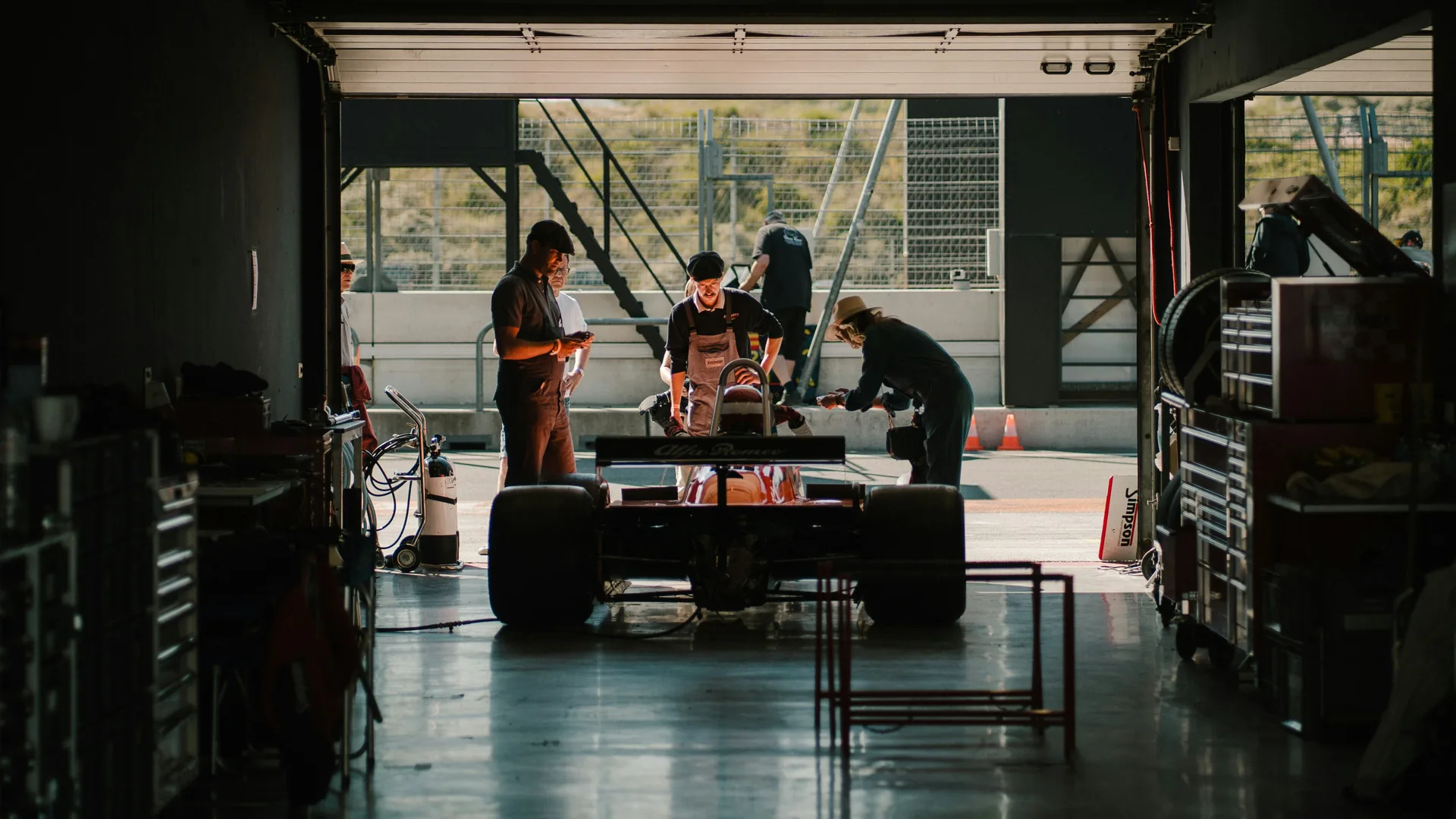
⚙️ Qualifying Structure (Q1–Q3)
Qualifying is not just about speed — it's elimination.
Q1: All 20 drivers compete; the 5 slowest are eliminated. Q2: The remaining 15 drivers continue; another 5 are knocked out. Q3: The fastest 10 fight for Pole Position, the most strategic starting spot on the grid.
One lap can change the whole weekend.
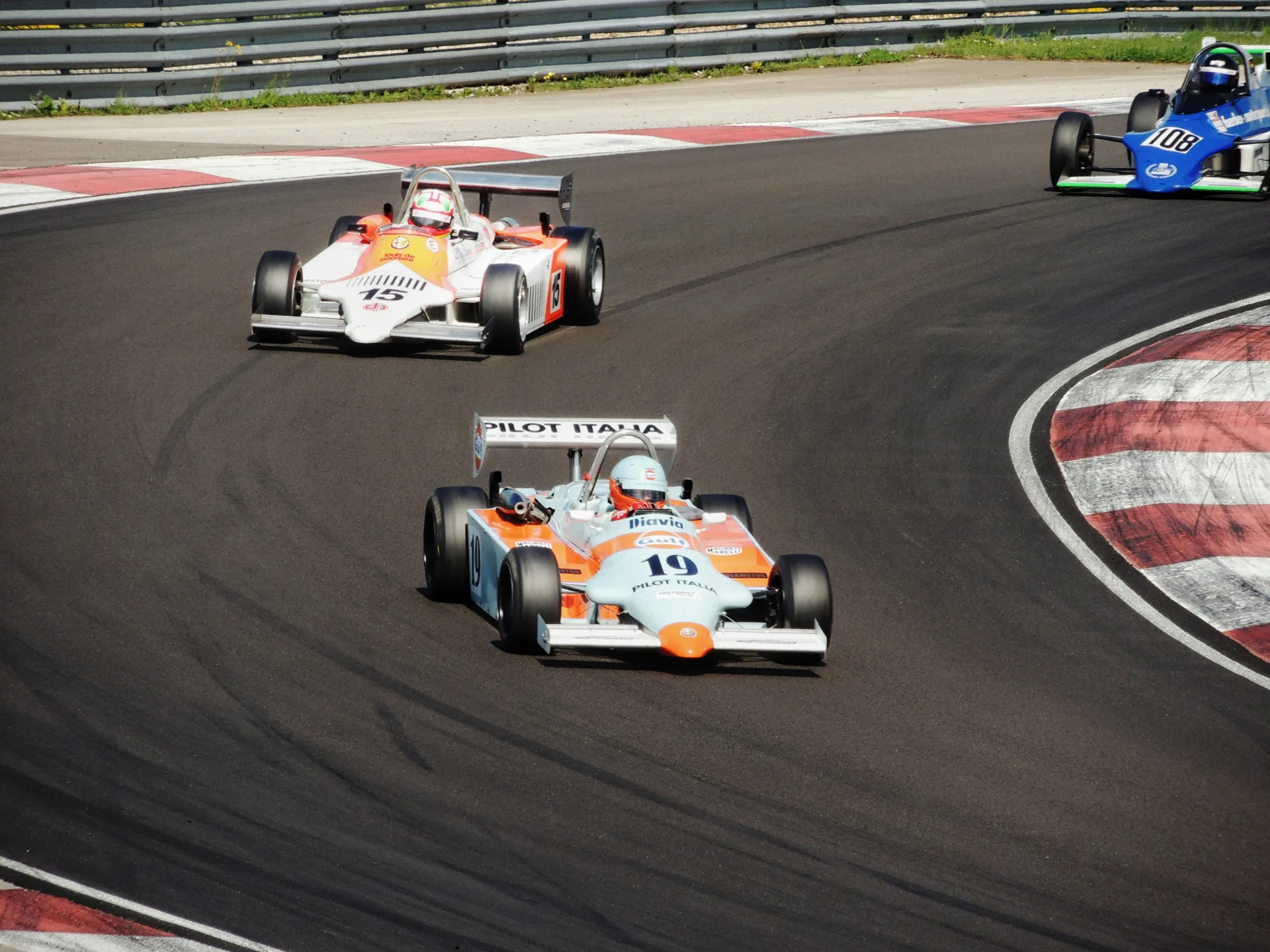
🏎️ Points & Championships
Racing wins events. Points win titles.
Only the top 10 finishers earn championship points, ranging from 25 points for P1 to 1 point for P10. An additional +1 point is awarded to the driver with the fastest lap — only if they finish inside the top 10. Points contribute to two titles: the Drivers’ Championship, focusing on individual performance, and the Constructors’ Championship, based on the combined results of the team’s drivers.
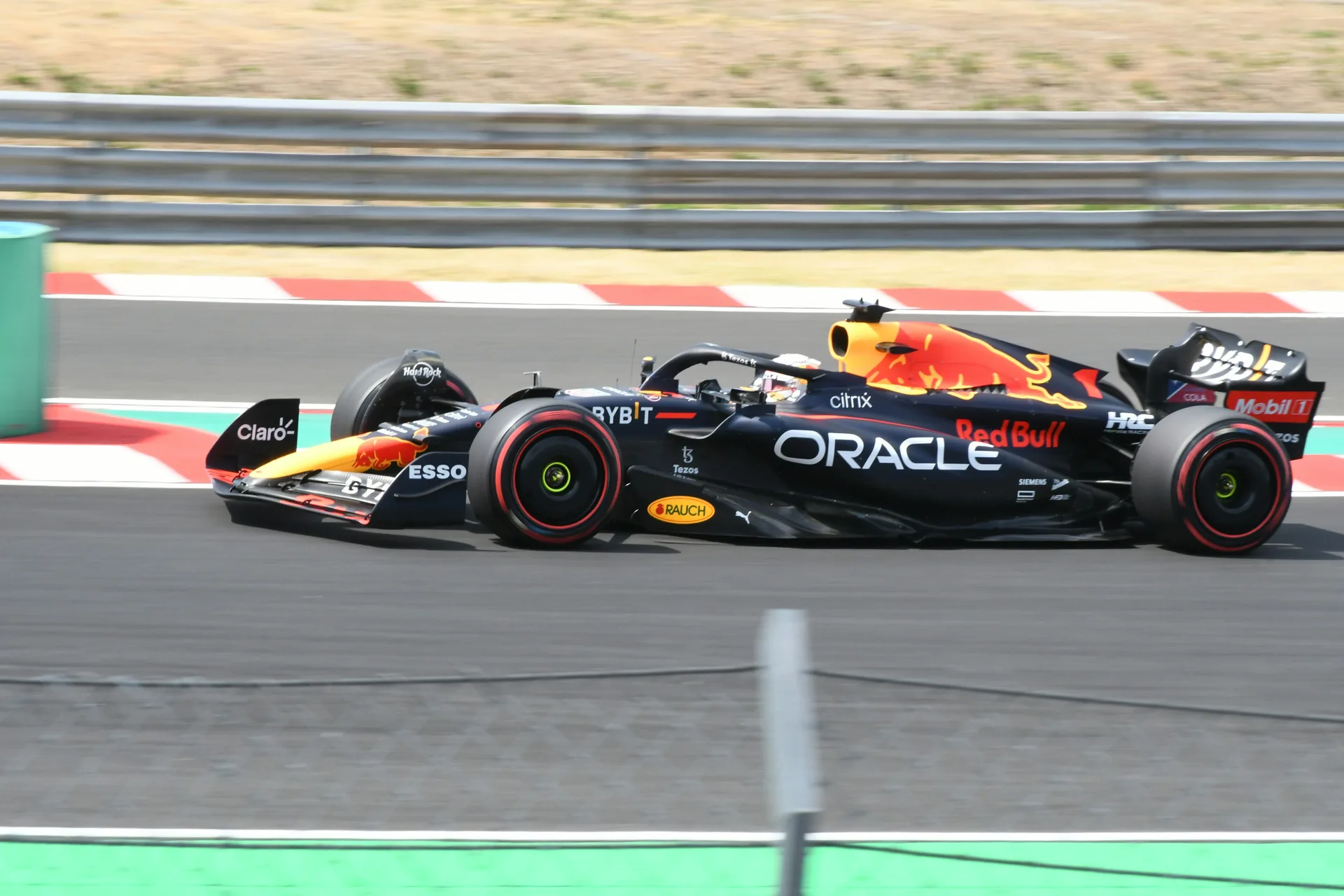
🚦 Pit Stops & Race Safety
Sometimes, the race isn’t won on track — it’s won in the pits.
Every dry race requires drivers to use at least two different tire compounds, making tire strategy a decisive element. Pit stops, often lasting just around two seconds, can gain or lose crucial positions. Safety Cars and Virtual Safety Cars are deployed after incidents, slowing the race and reshaping strategy — sometimes resetting the entire competitive order.